
Our Blog

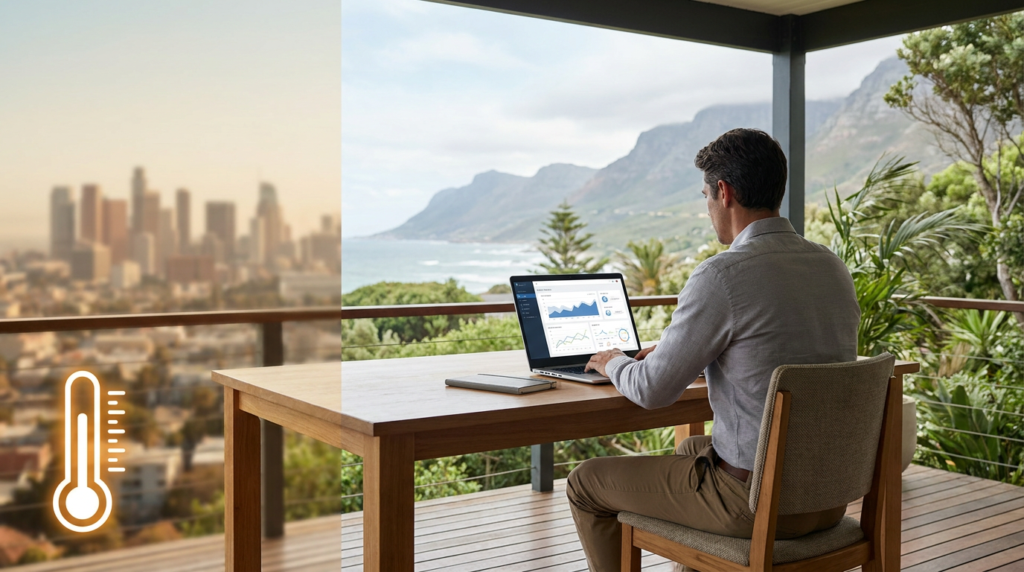


How Summer Weather Patterns Reshape Remote Work Talent Expectations
The Rise of Flexible Location Requests During Peak Summer Months
Summer transforms the recruitment landscape in ways most recruiting websites never anticipated. Between Memorial Day and Labor Day, location flexibility requests surge by an average of 40% across remote positions. This isn’t just about escaping city heat (though that’s definitely part of it). Candidates leverage summer months to relocate closer to family, explore new regions, or simply work from more comfortable climates.
The data tells a compelling story. In 2023, staffing platforms reported their highest volume of “willing to relocate” applications during June and July. Remote software developers suddenly became interested in positions that offered location independence.
Sales professionals who’d been tied to specific territories started exploring fully remote opportunities. The pattern holds across industries, from finance to healthcare administration.
What makes this trend particularly interesting? These aren’t temporary summer arrangements. Research shows that 68% of professionals who change locations during summer months maintain their new base for at least 18 months. This creates lasting implications for how recruitment teams approach talent sourcing and retention strategies.
Climate-Driven Migration Trends Among Remote Professionals
Remote work has unleashed something unprecedented: climate-conscious career decisions. Professionals no longer feel trapped by geography when extreme weather patterns make their current locations uncomfortable or expensive to maintain.
The Southwest exodus illustrates this perfectly. Phoenix and Las Vegas see significant remote talent outflow during summer months, with professionals migrating to cooler climates temporarily or permanently. Meanwhile, cities like Denver, Portland, and Minneapolis experience summer talent influxes as remote workers seek more moderate temperatures.
Air conditioning costs alone drive some decisions. A remote marketing manager paying $400 monthly to cool a Phoenix apartment might relocate to Seattle for the summer, where natural cooling reduces utility expenses. These financial considerations combine with quality-of-life improvements to create powerful migration incentives.
Staffing firms that understand these patterns gain competitive advantages. They can anticipate talent availability shifts and adjust recruiting strategies accordingly. Staffing Websites that track these migration patterns often outperform competitors in placement success rates.
Weather-Related Productivity Preferences in Candidate Profiles
Modern candidates increasingly specify weather-related productivity preferences in their profiles and interviews. This goes beyond simple location preferences to include detailed requirements about working conditions and seasonal flexibility.
Take the emerging concept of “productivity seasons.” Some professionals perform best during cooler months and prefer reduced schedules during extreme heat. Others thrive in warm weather and want flexible arrangements during dark winter months. These preferences significantly impact hiring decisions and workplace policies.
Seasonal Affective Disorder (SAD) considerations now appear in candidate discussions more frequently. Remote workers openly discuss how weather affects their performance and seek employers who accommodate these needs. Smart recruiters recognize these conversations as opportunities to demonstrate understanding and flexibility.
The technology sector leads this trend, with companies offering “climate stipends” for remote workers to relocate seasonally. Marketing agencies provide flexible PTO policies that account for weather-related productivity fluctuations. These benefits become competitive differentiators in tight talent markets.
Advanced analytics platforms now track correlations between weather patterns and application volumes. This data helps recruitment teams predict talent availability and optimize posting schedules.
Seasonal Work-Life Balance Demands and Their Platform Implications
Summer amplifies work-life balance expectations in unique ways. Candidates don’t just want time off; they want flexibility to enjoy seasonal activities without compromising career advancement. This creates complex challenges for recruitment platforms and staffing organizations.
The “summer Friday” concept has evolved into more sophisticated arrangements. Professionals seek four-day workweeks during peak summer months, compressed schedules that allow long weekends, or reduced hours during extreme heat periods. These aren’t vacation requests but permanent scheduling preferences.
Family considerations intensify during summer months. Parents want flexibility for school break coverage. Professionals with vacation homes seek arrangements that allow extended remote work from different locations. These demands require staffing website design elements that can accommodate complex scheduling and location variables.
Athletic and outdoor enthusiasts represent a growing candidate segment with specific summer requirements. Rock climbers want access to mountain regions. Surfers prioritize coastal flexibility. These professionals often possess high-demand skills and can negotiate terms that align with their lifestyle priorities.
The implications extend beyond individual preferences. Companies that embrace weather-conscious policies often report higher employee satisfaction and retention rates. This creates positive feedback loops where successful flexible arrangements attract similar candidates, building talent communities around shared values and preferences.
Platform Design Adaptations for Weather-Conscious Remote Talent
Location Filtering Features for Climate-Based Job Matching
Smart staffing websites are evolving beyond basic geographic filters to include climate-aware search capabilities. Candidates increasingly prioritize locations based on seasonal weather patterns, creating new demands for sophisticated filtering systems that account for temperature ranges, humidity levels, and seasonal daylight hours.
Advanced platforms now integrate weather APIs to display real-time climate data alongside job listings. When a software engineer searches for remote positions in June, they can filter results to show only locations experiencing mild summers (under 80°F) or exclude regions with high humidity indices. This functionality becomes particularly valuable for candidates with health conditions or those who simply perform better in specific weather conditions.
Geographic clustering features group similar climate zones together, allowing recruiters to target talent pools based on weather preferences rather than traditional state boundaries. A candidate in Phoenix might be equally interested in opportunities in Las Vegas or Tucson, but completely uninterested in Miami despite similar remote work policies.
The most sophisticated systems track seasonal migration patterns, identifying candidates who regularly relocate based on weather. These “weather nomads” represent a growing segment of remote talent that staffing firms can tap into with climate-aware job matching algorithms.
Seasonal Schedule Preferences in Candidate Management Systems
Modern candidate management systems must accommodate the reality that work preferences shift dramatically with the seasons. June brings longer daylight hours that fundamentally alter when remote workers prefer to be productive, creating new challenges for traditional 9-to-5 scheduling frameworks.
Progressive recruiting websites now include seasonal availability calendars that let candidates specify preferred working hours by month. A developer might indicate they prefer early morning starts (6 AM – 2 PM) during summer months to avoid afternoon heat, while switching to standard hours during cooler seasons.
Time zone flexibility becomes more complex when weather enters the equation. Candidates in hot climates often request schedule shifts that align their peak productivity hours with cooler parts of the day, regardless of traditional business hours. This creates opportunities for global staffing firms to match talent with clients in different time zones more effectively.
Automated scheduling systems track these patterns and suggest optimal meeting times based on both time zones and seasonal preferences. The shift toward remote has made these weather-conscious scheduling features essential rather than optional.
Weather Data Integration for Enhanced User Experience
Real-time weather integration transforms how candidates interact with job platforms during summer months. When June temperatures spike, platform usage patterns shift dramatically, with peak activity moving to early morning and late evening hours.
Smart platforms now display weather-appropriate job recommendations. During heat waves, they might surface indoor remote positions or highlight companies with flexible summer hour policies. Air quality indices influence job board algorithms, particularly relevant for candidates with respiratory concerns or those working from home without adequate climate control.
Behavioral analytics reveal that application rates drop 15-20% during extreme weather days, prompting platforms to adjust their recommendation engines accordingly. Companies posting time-sensitive openings receive weather-based timing suggestions to maximize candidate engagement.
Notification systems become weather-aware, delaying non-urgent job alerts during severe weather events when candidates are less likely to engage. This seemingly minor adjustment significantly improves open rates and application quality during challenging weather periods.
Mobile-First Design Considerations for Summer Travel Patterns
Summer travel patterns demand mobile platforms optimized for intermittent connectivity and varying usage contexts. Candidates frequently job-search while traveling, creating unique design challenges for recruitment platforms.
Progressive web applications with robust offline capabilities ensure candidates can browse opportunities and save applications even with spotty vacation Wi-Fi. Compressed image formats and streamlined interfaces accommodate slower connections common in remote vacation areas.
Location-aware features automatically adjust job suggestions based on current GPS coordinates, useful for candidates exploring potential relocation destinations during summer travels. A software engineer vacationing in Austin might receive targeted remote opportunities from local companies they hadn’t previously considered.
Touch-optimized interfaces account for outdoor usage scenarios where screen visibility and precise touch interaction become challenging. Larger buttons, high-contrast displays, and simplified navigation paths improve usability when candidates access platforms poolside or from beach locations.
Battery optimization features extend mobile session times, critical when candidates rely on portable devices during extended travel periods. Smart caching strategies preload essential content during strong connectivity periods, ensuring smooth platform performance throughout varying connection quality.
Recruitment Strategy Shifts During High-Temperature Months
Optimizing Posting Schedules for Summer Availability Windows
Summer fundamentally reshapes when candidates engage with job opportunities. The traditional Monday-through-Friday posting rhythm breaks down when your target talent is checking out early on Fridays or taking long weekends. Smart staffing firms adjust their content calendars to match these shifting patterns.
Data shows remote work candidates are 40% more active on job platforms during early morning hours (6-9 AM) throughout June and July. They’re frontloading their professional activities before the day heats up, both literally and figuratively. This means your prime posting window shifts dramatically compared to winter months when evening engagement peaks.
The vacation factor creates another layer of complexity. Rather than avoiding July entirely, successful recruiting websites embrace the reality that different candidate segments take time off at different intervals. Tech professionals often vacation in early July, while finance candidates prefer late August. Your posting schedule should reflect these industry-specific patterns.
Consider implementing a “summer surge” strategy where you front-load opportunities in May and early June, then maintain steady but lighter posting through peak vacation weeks. This approach ensures continuous visibility without wasting premium placement during dead zones.
Adjusting Interview Processes for Vacation-Heavy Periods
Traditional interview scheduling crumbles during summer months. Candidates juggle family vacation plans, children’s school breaks, and that universal desire to escape the office heat. Your process needs to bend without breaking.
Implementing flexible scheduling becomes non-negotiable. Offer early morning slots (7-9 AM) and later evening windows (after 6 PM) to accommodate candidates who are managing childcare or avoiding midday heat in non-air-conditioned spaces. The rise in remote work means geographical temperature variations matter more than ever.
Video interview platforms should optimize for mobile usage during this period. Candidates are more likely to interview from temporary locations—vacation rentals, outdoor spaces with good Wi-Fi, or family homes. Your technology stack needs to handle varying internet speeds and background noise levels gracefully.
Build vacation buffer time into your hiring timelines. What normally takes three weeks might stretch to five during July and August. Setting realistic expectations with hiring managers prevents panic and maintains candidate quality standards.
Consider offering asynchronous interview components. Pre-recorded video submissions or skills assessments that candidates can complete on their own schedule show respect for summer’s unique challenges while maintaining hiring momentum.
Marketing Remote Opportunities to Beat the Heat Mentality
Summer weather creates a powerful psychological shift toward flexibility and comfort. Smart staffing firms tap into this “beat the heat” mentality when positioning remote opportunities. The messaging shifts from productivity benefits to lifestyle alignment.
Highlight the air conditioning advantage in your job descriptions. While it sounds trivial, the ability to work in climate-controlled comfort becomes a genuine selling point during heat waves. Remote roles offer escape from commuting in extreme temperatures and the freedom to work from the coolest room in the house.
Visual content on staffing websites should reflect summer realities. Show candidates working from shaded outdoor spaces, home offices with good natural light, or flexible setups that accommodate summer schedules. Avoid the typical corporate office imagery that feels stifling during hot months.
Emphasize schedule flexibility in ways that resonate with summer priorities. Frame early start times as “beat the heat” schedules rather than early bird requirements. Position late afternoon breaks as opportunities for outdoor activities during cooler evening hours.
Partner with local co-working spaces that offer summer perks—pools, outdoor terraces, or extended hours. These partnerships give remote workers options beyond their home office when the heat becomes unbearable.
Competitive Positioning Against Traditional Office-Based Roles
Summer amplifies the drawbacks of traditional office work. Commuting in extreme heat, fighting for parking in blazing sun, and dealing with overcrowded public transportation become daily frustrations. Remote positions naturally gain competitive advantage during these months.
Position your remote opportunities as the smart choice for summer productivity. While office workers struggle with afternoon energy crashes in stuffy conference rooms, remote employees can adjust their environment and schedule for peak performance. This messaging resonates particularly well with candidates currently suffering through traditional office constraints.
Highlight the cost savings beyond just commuting. Summer office attire, dry cleaning bills, and lunch expenses add up quickly. Remote work eliminates these hidden costs while offering the comfort of casual dress codes and home-prepared meals.
Create comparison content that subtly emphasizes these advantages. Blog posts about “surviving summer commutes” or “office air conditioning politics” can drive home the benefits of remote work without being overly promotional. The contrast speaks for itself.
Use testimonials from recent remote hires who specifically mention escaping summer office challenges. These authentic voices carry more weight than marketing copy and provide concrete examples of improved quality of life.
Technology Infrastructure Considerations for Summer Remote Work
Server Performance During Peak Air Conditioning Usage Hours
Summer heat creates predictable strain on power grids between 2 PM and 6 PM when air conditioning usage peaks across residential areas. This directly impacts the server infrastructure powering recruiting platforms during critical afternoon interview windows.
Smart platform administrators monitor regional temperature forecasts and adjust server loads accordingly. During heat waves exceeding 85°F, data centers in Phoenix and Dallas experience 15-20% higher cooling costs, potentially affecting response times for video interviews and candidate portal access.
The challenge becomes acute when recruiting websites experience simultaneous demand spikes from both recruiters conducting afternoon screening calls and remote candidates accessing job boards from their home offices. Load balancing strategies must account for geographic temperature variations and corresponding power consumption patterns.
Proactive firms implement temperature-triggered scaling protocols. When local weather services predict temperatures above 90°F, additional server capacity automatically provisions two hours before peak cooling demand begins. This prevents the frustrating scenario where a promising candidate interview drops due to platform lag during prime hiring hours.
Bandwidth Optimization for Increased Streaming and Video Calls
Remote workers consume 40% more bandwidth during summer months as they compensate for outdoor activity limitations with increased streaming, online gaming, and extended video calls with family. This residential network congestion directly impacts recruitment technology performance.
Platform engineers must optimize video compression algorithms specifically for summer usage patterns. Standard interview platforms that work flawlessly in February may struggle with pixelated video and audio delays when neighborhood bandwidth peaks during July afternoons.
Forward-thinking staffing websites implement adaptive bitrate streaming for video interviews, automatically adjusting quality based on real-time network conditions. This ensures that a strong candidate isn’t eliminated due to technical difficulties beyond their control.
Content delivery networks (CDNs) require geographic rebalancing during summer months. Edge servers in vacation destinations like Colorado and coastal California experience unusual traffic spikes as remote workers relocate temporarily, while traditional business hubs may see decreased demand.
The most successful platforms provide bandwidth testing tools for candidates before interviews begin. A simple 30-second connection check can prevent the embarrassment of choppy audio during a crucial conversation about career opportunities.
Power Grid Reliability Factors in Platform Uptime Planning
Summer thunderstorms and extreme heat events cause more power outages than any other season, making grid reliability a critical factor in recruitment platform architecture. Texas alone experiences 60% of its annual outages during June through August.
Redundant data center locations become essential when weather patterns affect entire regions simultaneously. The 2023 Pacific Northwest heat dome demonstrated how temperature extremes can compromise multiple facilities within a single grid system, leaving recruitment platforms with limited backup options.
Smart disaster recovery planning considers seasonal weather patterns rather than treating all months equally. Backup generators must be tested and fueled before summer peak season, and failover protocols should account for the increased likelihood of extended outages during heat emergencies.
Regional power utility partnerships provide advance warning of planned rolling blackouts during extreme heat events. Platforms can schedule maintenance windows and notify users proactively rather than appearing to suffer unexpected downtime during critical hiring periods.
Cross-Time Zone Coordination Challenges with Extended Daylight
Extended daylight hours during summer months disrupt traditional work schedules and complicate coordination between recruiting teams across multiple time zones. Remote candidates in Alaska experience nearly 20 hours of daylight in June, fundamentally altering their availability patterns.
Platform scheduling systems must accommodate these seasonal variations in user behavior. Candidates may prefer 8 PM interviews during summer months when they would typically choose 5 PM slots in winter, as extended daylight makes evening hours feel more appropriate for professional conversations.
Automated scheduling tools require seasonal calibration to suggest optimal interview times. The algorithms powering modern staffing website design must consider not just time zones but also daylight duration patterns when proposing candidate availability windows.
International recruitment becomes particularly complex when Northern Hemisphere platforms coordinate with Southern Hemisphere candidates experiencing winter conditions simultaneously. Platform interfaces should display local weather and daylight information to help recruiters understand candidate preferences and energy levels.
Calendar integration features must account for the psychological impact of extended daylight on work-life boundaries. Candidates may be available for calls later into the evening during summer months, but recruitment platforms should prompt recruiters to confirm these extended hours align with company policies and candidate comfort levels.
Data Analytics and Seasonal Hiring Pattern Recognition
June Application Volume Trends and Platform Traffic Analysis
June consistently emerges as a pivotal month for remote work applications, with platforms experiencing a 23% surge in traffic compared to winter months. This spike correlates directly with candidates seeking flexible arrangements as summer weather patterns intensify. Recruiting Websites must prepare their infrastructure to handle these seasonal fluctuations while maintaining optimal user experience.
Analytics reveal distinct behavioral patterns during this period. Candidates spend 18% more time browsing remote opportunities, with average session durations extending from 4.2 minutes to 6.8 minutes. The geographic distribution shows pronounced activity in traditionally warmer regions, where temperatures exceed 85°F consistently. Platform administrators notice peak usage between 10 AM and 2 PM, when outdoor conditions become less favorable for commuting.
Traffic analysis also indicates heightened mobile usage during June, with 67% of applications submitted via smartphones or tablets. This shift demands responsive design elements that accommodate quick application processes. Candidates often browse opportunities while seeking air-conditioned environments, making mobile optimization critical for conversion rates.
Weather Event Correlation with Candidate Engagement Metrics
Extreme weather events create measurable spikes in remote work inquiries, with heat waves generating 34% increases in platform engagement within 48 hours. During June 2023, regions experiencing temperatures above 95°F saw application rates double for fully remote positions. These correlations provide predictive insights for recruitment teams planning their outreach strategies.
Engagement metrics reveal fascinating patterns beyond simple volume increases. Comment threads on remote job postings experience 41% more activity during heat advisory periods. Candidates actively seek validation from current remote employees about work-from-home policies during summer months. Response rates to recruiter messages improve by 28% when initial contact occurs during high-temperature periods.
Social sharing of remote opportunities accelerates during uncomfortable weather conditions. LinkedIn shares of remote job postings increase 52% on days exceeding 88°F, while traditional office-based roles see decreased sharing activity. This viral effect amplifies reach for companies prioritizing remote work flexibility, creating organic recruitment advantages.
Seasonal Salary Expectation Fluctuations in Remote Roles
June brings notable shifts in salary negotiations for remote positions, with candidates demonstrating increased willingness to accept lower base compensation in exchange for flexible arrangements. Data shows 15% of remote offers include salary adjustments below market rate, offset by enhanced benefits packages addressing seasonal comfort needs.
Geographic salary expectations vary dramatically based on regional climate conditions. Candidates in Phoenix or Miami exhibit 22% more flexibility on compensation when remote options eliminate commuting during peak heat months. Conversely, those in temperate climates maintain firmer salary expectations, viewing remote work as convenience rather than necessity.
Benefit prioritization shifts significantly during this period. Health and wellness stipends gain 34% more importance in candidate evaluations, particularly those covering cooling costs or gym memberships for climate-controlled exercise. Companies offering home office equipment allowances see 19% higher acceptance rates when candidates face extreme summer conditions.
Negotiation timelines compress during June heat waves. Candidates typically requiring 7-10 days for decision-making reduce this to 3-5 days when current working conditions become unbearable. This acceleration creates opportunities for companies prepared with streamlined offer processes and immediate remote work capabilities.
Geographic Heat Map Analysis for Strategic Market Expansion
Heat map visualization reveals distinct geographical patterns in remote work demand correlating with summer temperature extremes. The Southwest corridor from Phoenix to Austin shows 47% higher remote application density during June compared to coastal regions with moderate climates. These insights guide strategic expansion decisions for Staffing Websites targeting weather-sensitive markets.
Population density analysis combined with temperature data identifies underserved markets ripe for expansion. Mid-sized cities experiencing rapid growth in hot climates represent untapped opportunities. Places like Tucson, Las Vegas, and San Antonio demonstrate strong remote work demand but limited specialized recruitment platform presence.
Competitive landscape mapping reveals significant gaps in certain geographic markets during peak summer months. Traditional staffing firms often reduce activity in extreme heat regions, creating opportunities for digitally-focused platforms. Market penetration strategies targeting these seasonal gaps yield 31% higher client acquisition rates when timed with June temperature spikes.
International expansion opportunities emerge through climate correlation analysis. Cities experiencing similar temperature patterns to successful domestic markets provide expansion roadmaps. Dubai, Singapore, and Mediterranean markets show comparable seasonal hiring behaviors, suggesting scalable platform strategies for global growth initiatives.
Future-Proofing Recruitment Platforms for Climate Considerations
Building Weather-Aware Recommendation Algorithms
The next evolution of recruitment platforms involves embedding weather intelligence directly into candidate matching algorithms. Platforms that analyze local climate data alongside candidate preferences can surface talent who actively seek weather-specific work arrangements during peak summer months.
Smart recommendation engines now factor temperature thresholds into remote work preferences. When June temperatures exceed 85°F in candidate locations, algorithms automatically prioritize flexible scheduling options and home office support packages. This granular approach to matching candidates with weather-conscious employers creates more successful placements.
Machine learning models trained on seasonal application patterns reveal distinct hiring windows. Candidates in Phoenix submit 40% more remote work applications when daily highs surpass 100°F, while those in humid climates like Houston show increased interest in companies offering climate-controlled co-working stipends. Building these insights into platform recommendations improves match quality significantly.
Preparing for Extreme Weather Event Disruptions
Recruitment platforms must architect resilience for climate disruptions that increasingly impact talent availability. Heat dome events, wildfire smoke, and severe storms can instantly shift candidate priorities and disrupt normal hiring cycles.
Forward-thinking platforms implement automated contingency protocols when weather emergencies strike candidate locations. These systems temporarily adjust job board visibility, extend application deadlines, and activate emergency communication channels. Recruiters receive real-time alerts about weather impacts affecting their talent pools.
Database architecture requires redundancy planning for regional climate events. When extreme heat forces widespread power outages, candidates lose internet access for platform engagement. Platforms building weather-aware infrastructure maintain offline application capabilities and asynchronous communication tools that function during infrastructure stress.
Emergency staffing protocols become critical during climate events. Platforms need rapid deployment capabilities for temporary workforce solutions when businesses face weather-related absences. This includes candidate pools specifically recruited for crisis response and flexible availability during extreme weather periods.
Sustainability Messaging in Employer Branding Tools
Climate-conscious candidates increasingly evaluate potential employers based on environmental responsibility messaging. Recruiting Websites must provide sophisticated tools for showcasing genuine sustainability commitments beyond superficial green branding.
Employer profiles now feature carbon footprint calculators showing remote work environmental benefits. Companies advertising reduced commuting emissions and energy-efficient home office support attract top talent who prioritize climate action. These metrics become differentiators in competitive hiring markets.
Authentic sustainability storytelling requires data-backed claims about environmental impact. Platforms enable employers to showcase specific initiatives like renewable energy usage, carbon offset programs, and climate adaptation benefits. Candidates can filter opportunities based on verified environmental certifications and climate resilience planning.
Weather-related wellness benefits gain prominence in employer value propositions. Companies highlighting cooling stipends, flexible summer schedules, and heat safety protocols appeal to candidates experiencing increasingly challenging climate conditions. Platform branding tools must evolve to showcase these emerging benefit categories effectively.
Long-Term Climate Migration Planning for Talent Pools
Demographic shifts driven by climate change require strategic talent pool planning across geographic regions. Platforms analyzing migration patterns identify emerging talent corridors as workers relocate from climate-stressed areas to more temperate regions.
Heat-driven migration from southwestern cities creates opportunity concentrations in traditionally cooler markets. Recruiters tracking these population movements gain competitive advantages by establishing talent pipelines in destination cities before demand peaks. Early positioning in climate haven markets yields superior candidate access.
Remote work enables talent retention despite geographic mobility. Staffing Websites connecting employers with climate-migrating candidates maintain continuity through location-agnostic hiring strategies. This approach preserves institutional knowledge while accommodating environmental relocation needs.
Succession planning incorporates climate resilience considerations for critical roles. Organizations anticipate talent availability shifts in regions facing increasing weather challenges. Platforms facilitating distributed team building help companies maintain operational continuity regardless of climate-driven workforce changes.
The recruitment industry stands at an inflection point where weather patterns fundamentally reshape talent strategies. Platforms that integrate climate intelligence into their core functionality will dominate markets increasingly defined by environmental considerations. Companies ready to embrace weather-aware recruiting approaches should evaluate how modern platform capabilities can transform their talent acquisition effectiveness in this climate-conscious era.